
Imperial Building & Roofing
Gutters in Brighton, MI
Local gutters crews serving Brighton and the surrounding area, backed by a lifetime workmanship guarantee.
Family owned
More than 35 years of experience
Licensed & insured
Fully covered on every job
Free estimates
Detailed, no-obligation quotes
Local crews
Serving Southeast Michigan
Gutters for Brighton homes
Brighton and the surrounding Livingston County lake country, from downtown near the Mill Pond out to the homes around Woodland and Brighton Lake, sit on more open, wind-exposed lots than the wooded Ann Arbor neighborhoods, and we account for it.
We install seamless aluminum gutters, downspouts, and gutter guards sized to handle Michigan rain and snowmelt, routing water away from your foundation and preventing the ice-related damage common on local rooflines.
Built for Brighton weather. Lakefront and open-lot homes around Brighton catch higher winds than the sheltered neighborhoods closer to Ann Arbor. That overwhelms undersized gutters and feeds the ice dams that tear gutters off the fascia.
Permits handled for you. Permit requirements vary by location around Brighton. When your project needs one, we pull the permit and handle the inspection for you.
Brighton
Frequently asked questions
Often, yes. Homes with big or steep roofs that shed a lot of water at once do better with 6-inch gutters and extra downspouts. We size the system so heavy rain off the lakes drains away instead of overflowing.
In tree-heavy neighborhoods they meaningfully cut cleaning and reduce the clogs that cause ice dams and overflow. We size guards to your roof pitch and the debris load around your home.
Most homes do well with 5-inch K-style gutters, but larger or steep roofs that shed a lot of water at once benefit from 6-inch gutters and extra downspouts. We size the system to your roof so it does not overflow in heavy Michigan rain and snowmelt.
Yes. Seamless aluminum gutters are formed on site to the exact length of each run, so there are no joints to leak or clog. Those joints are the most common failure point on older sectional gutters.
Gutters tips & resources
Gutters
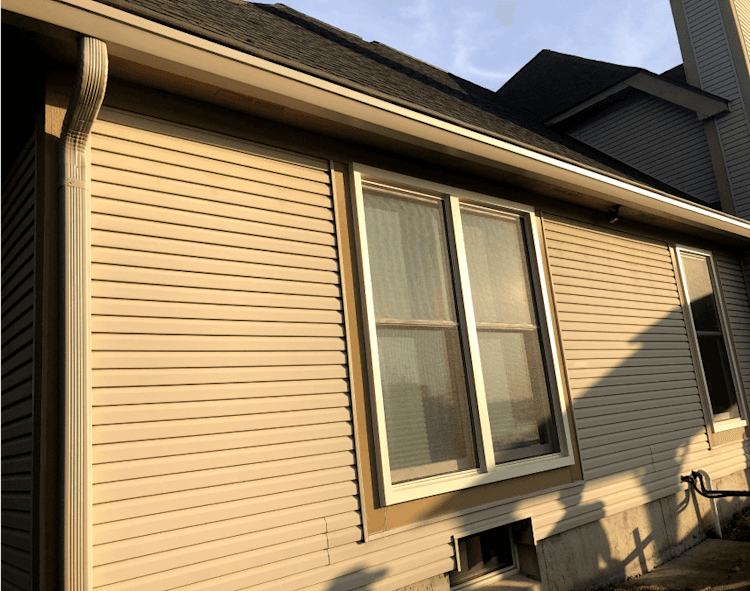
Are Gutter Guards Worth It In Michigan?
Gutter guards promise to end the ladder work, but they are not magic. How they perform under Michigan trees and snow, and when they are actually worth it.
Gutters
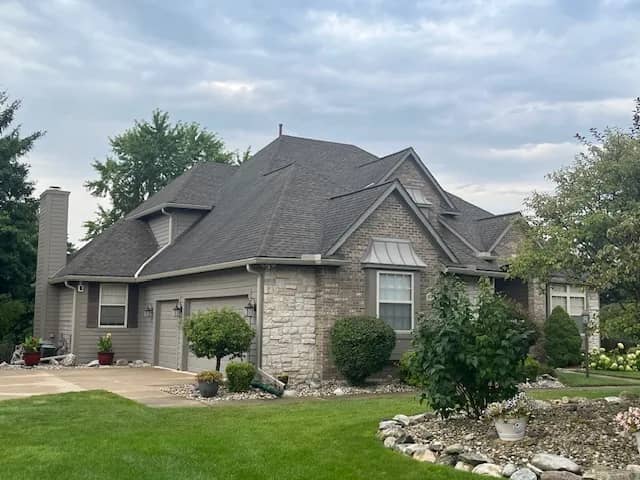
New Gutters: How To Protect Your Foundation
Your gutters are the first line of defense for your foundation. How proper water management protects your home from some of its most expensive damage.
Gutters
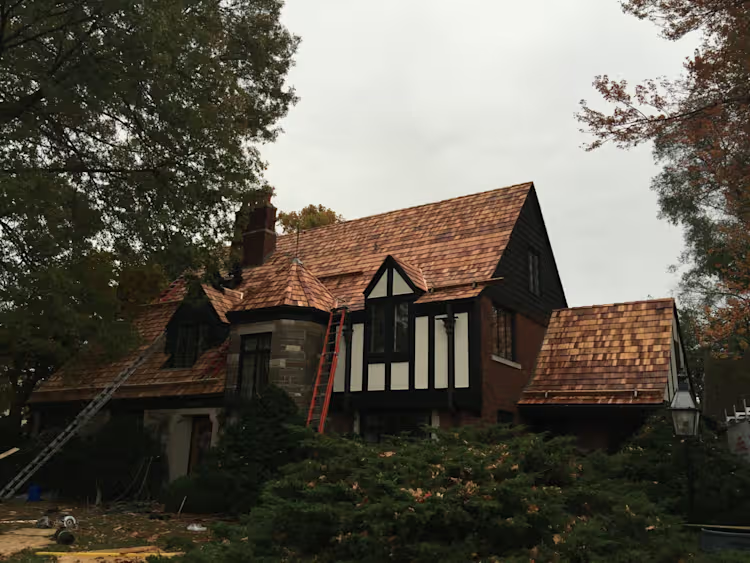
Gutter Replacement In Ann Arbor: Materials And When To Repair Vs. Replace
Seamless aluminum, gutter guards, and the telltale signs that mean it is time to replace rather than repair, for homes across the Ann Arbor area.