
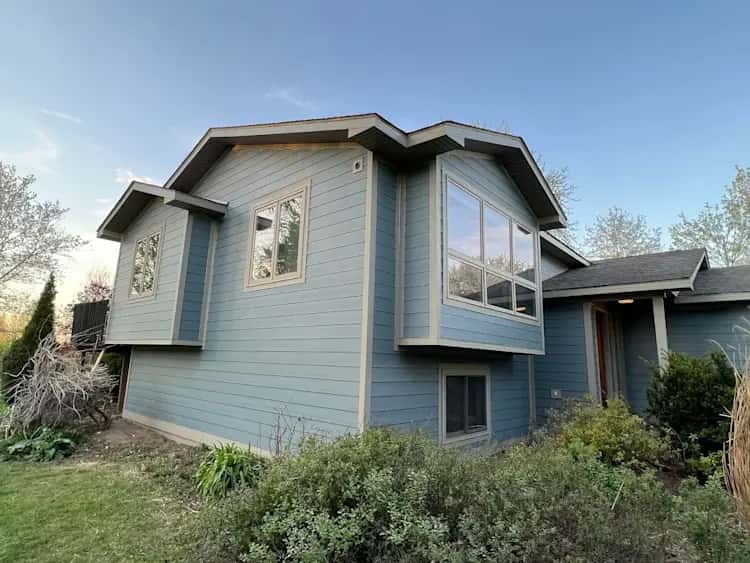
Soffit and fascia are two of the most overlooked parts of a house, right up until they start to rot. They frame the edge of your roof and quietly do real work, from supporting attic ventilation to keeping water and animals out. Understanding what they do makes it a lot easier to know when they need attention. Here is a clear look at both.
What soffit and fascia are
The fascia is the vertical board that runs along the lower edge of the roof, the band you see when you look at the house from the curb. Your gutters mount to it. The soffit is the panel that tucks underneath the overhang, bridging the gap between the edge of the roof and the wall of the house. Together they close in the eaves and give the roofline a finished look, but their job goes well beyond appearance.
The work they quietly do
Soffit vents provide the intake side of attic ventilation, letting fresh air in low so it can sweep moisture and heat out at the ridge.
Fascia gives your gutters a solid, straight surface to attach to and stay properly pitched.
Both seal the vulnerable edge of the roof against wind-driven rain.
They keep birds, squirrels, bats, and insects from getting into the attic through the eaves.
Why ventilation depends on the soffit
This is the part most homeowners do not realize. A balanced attic needs air coming in low and going out high, and the soffit vents are the intake half of that system. When soffits are damaged, painted over, or blocked by insulation pushed into the eaves, that intake is choked off. The attic then traps heat and moisture, which leads to mold, premature shingle wear, and in winter the conditions that feed ice dams. Healthy soffit ventilation protects the whole roof.
Signs it is time to replace
Because they live at the edge of the roof, soffit and fascia take the brunt of any water that overflows a clogged gutter. Watch for these signs:
Soft, crumbling, or visibly rotted wood along the eaves or behind the gutters.
Peeling paint or staining, which often signals moisture getting in.
Gutters that are sagging or pulling away, which can mean the fascia behind them has weakened.
Gaps, holes, or signs that animals have been getting into the attic.
Sagging or crumbling soffit panels overhead.
The connection to your gutters and siding
Soffit, fascia, gutters, and siding all meet at the same edge of the house, which is why a problem in one so often involves the others. Overflowing gutters rot the fascia, failed fascia drops the gutters, and damaged soffit lets water and air into the attic. Because they connect, it often makes sense to address them together, especially during a roofing or siding project when that edge is already open and accessible.
A finish that lasts
Many homeowners replace wood soffit and fascia with low-maintenance aluminum, which resists rot and does not need repainting while keeping the vented airflow the attic depends on. Done well, it refreshes the look of the whole exterior and protects the roofline for years. The key is matching the work to the rest of the house and keeping that critical soffit ventilation intact.
Noticing rot or sagging along your roofline? We will inspect your soffit, fascia, and the ventilation behind them and recommend what your home actually needs. Reach out for a free estimate.